
Is Waymo’s aggressive push into new urban markets sustainable?
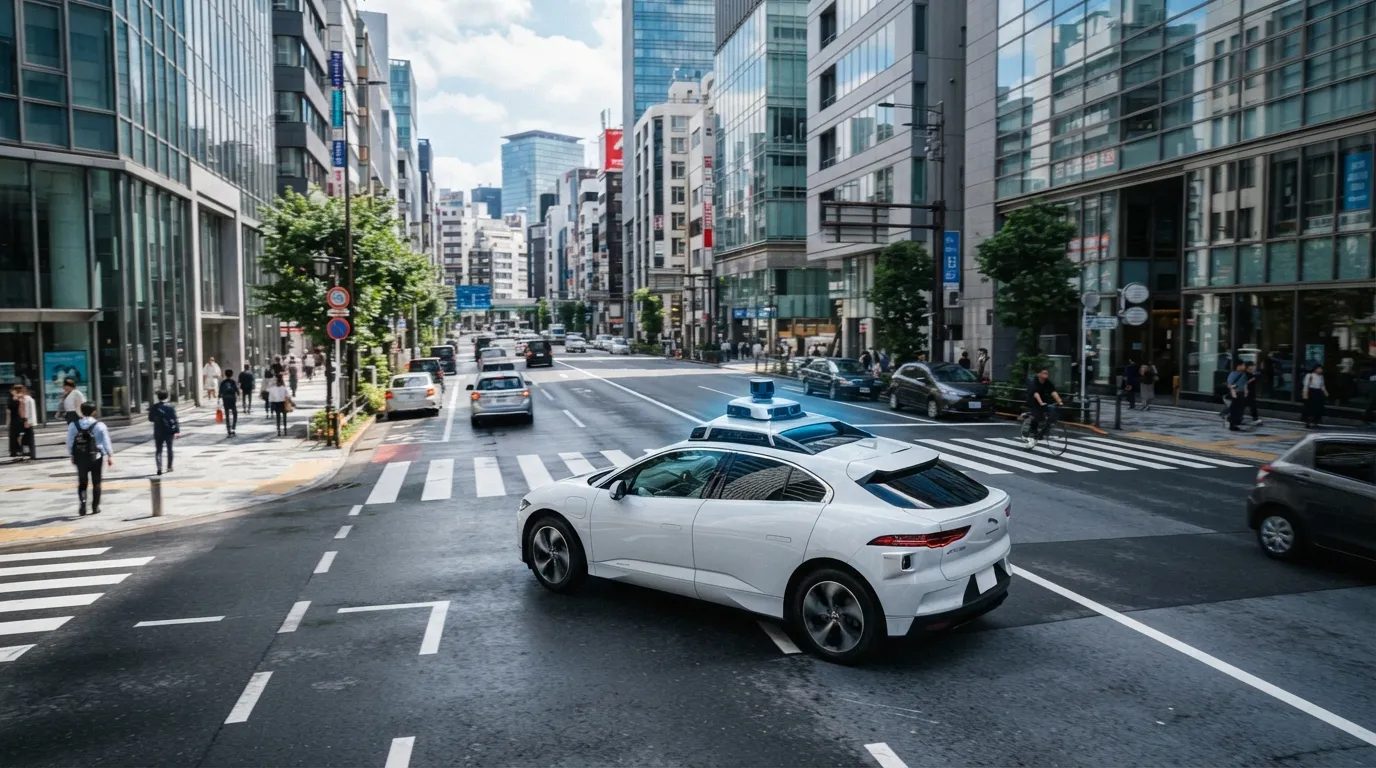
Waymo is scaling its robotaxi fleet at an unprecedented pace, signaling a major transition in autonomous mobility. The company has rapidly moved from limited pilot programs to active operations in 15 U.S. cities. This shift highlights the evolution of autonomous driving technology from a niche research endeavor to a legitimate commercial service.
While the geographic footprint has widened, the majority of the company’s 4,000-strong fleet is concentrated in California and Texas. This strategic geographical focus allows Waymo to refine its operations in high-density areas. Texas, in particular, has seen a massive surge in vehicle registrations over the last few weeks. This acceleration is supported by the integration of the Ojai minivan, a specialized vehicle built to scale.
Why is the Ojai minivan a game-changer for operations?
To achieve true mass-market penetration, Waymo needed a vehicle built specifically for ride-hailing duty cycles. The Ojai, a modified version of the Zeekr platform, is designed to withstand the wear and tear of continuous daily use. By utilizing a shared-vehicle architecture, the company aims to optimize its logistics and maintenance workflows.
However, these vehicles are not without their complexities. Although the base minivans are manufactured overseas, Waymo strips them of all third-party connected-car software upon arrival. They are then retrofitted at a domestic facility with Waymo’s sixth-generation driver system. This process ensures that the proprietary artificial intelligence stack remains the core of the vehicle’s operation, regardless of the chassis origin.
How are tariffs impacting the bottom line?
Scaling via imports introduces significant economic hurdles. Current U.S. trade policy subjects vehicles manufactured in China to substantial import tariffs. These duties increase the landed cost of every Ojai unit, putting pressure on the company’s path toward long-term profitability. Despite these financial headwinds, Waymo appears committed to this strategy. By aggressively deploying thousands of these vehicles, the company is prioritizing fleet volume over immediate cost-minimization.
What role does generative AI play in the passenger experience?
Beyond the hardware, Waymo is integrating advanced software layers to improve the user interface. The new minivans feature in-car assistants powered by Google’s Gemini AI. This addition is designed to enhance the rider experience through intuitive interactions. It also demonstrates how corporate synergies between Alphabet’s subsidiaries can create a unique competitive moat in the ride-hailing space. As the fleet grows, these digital touchpoints will become increasingly critical for customer retention and service differentiation.
Where will the next phase of deployment take place?
Data suggests that California and Texas remain the primary testing grounds for these large-scale deployments. However, Florida is quickly emerging as a key expansion territory. With operations already established in several Sunshine State cities, it is likely that future shipments of the Ojai fleet will be diverted there. The company’s ability to manage this growth across diverse regulatory environments will determine the success of its nationwide rollout plan.