Is Apple’s new Audio Intelligence feature a privacy concern or a breakthrough?
Apple has officially entered the era of persistent ambient processing with its latest hardware release. By integrating advanced Audio Intelligence capabilities into the Apple Watch, the company is fundamentally changing how wearable devices interact with the surrounding environment. While the focus remains on accessibility and productivity, the introduction of these features marks a significant shift toward devices that are constantly listening to interpret the world around us.
How does Apple balance accessibility with individual privacy?
The most straightforward application of this technology lies in assistive capabilities. For users who are deaf or hard of hearing, the watch can now detect critical environmental cues. Sounds such as emergency sirens, smoke alarms, or a crying infant are processed directly on the device. Because this occurs locally using on-device AI, the system provides a high degree of security while offering potentially life-saving notifications. This implementation avoids the risks associated with cloud-based audio processing, keeping sensitive data entirely on the user’s wrist.
What are the implications of the new Live Rewind feature?
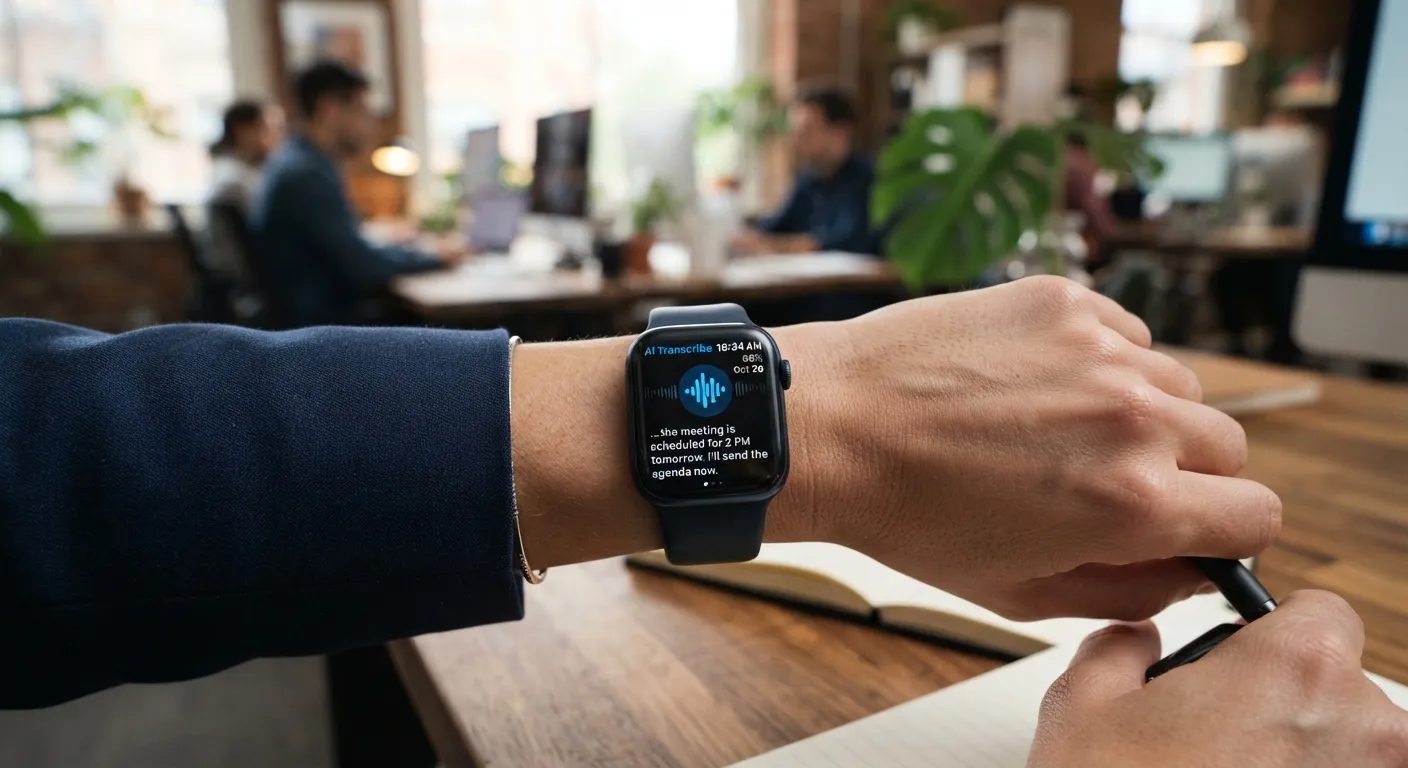
Beyond basic sensory alerts, Apple has introduced tools like Live Rewind and Siri Recap to facilitate memory and note-taking. Live Rewind allows a user to capture and transcribe the last 15 seconds of ambient sound by interacting with the Digital Crown. This capability is clearly intended to serve as a digital safety net for missed details during meetings or casual conversations. However, the move toward ambient computing invites complex questions regarding social consent. While Apple emphasizes that audio is not recorded or stored, the ability to generate a text transcript of a conversation without notifying others could create tension in professional or social settings.
Will continuous data collection become the standard for wearables?
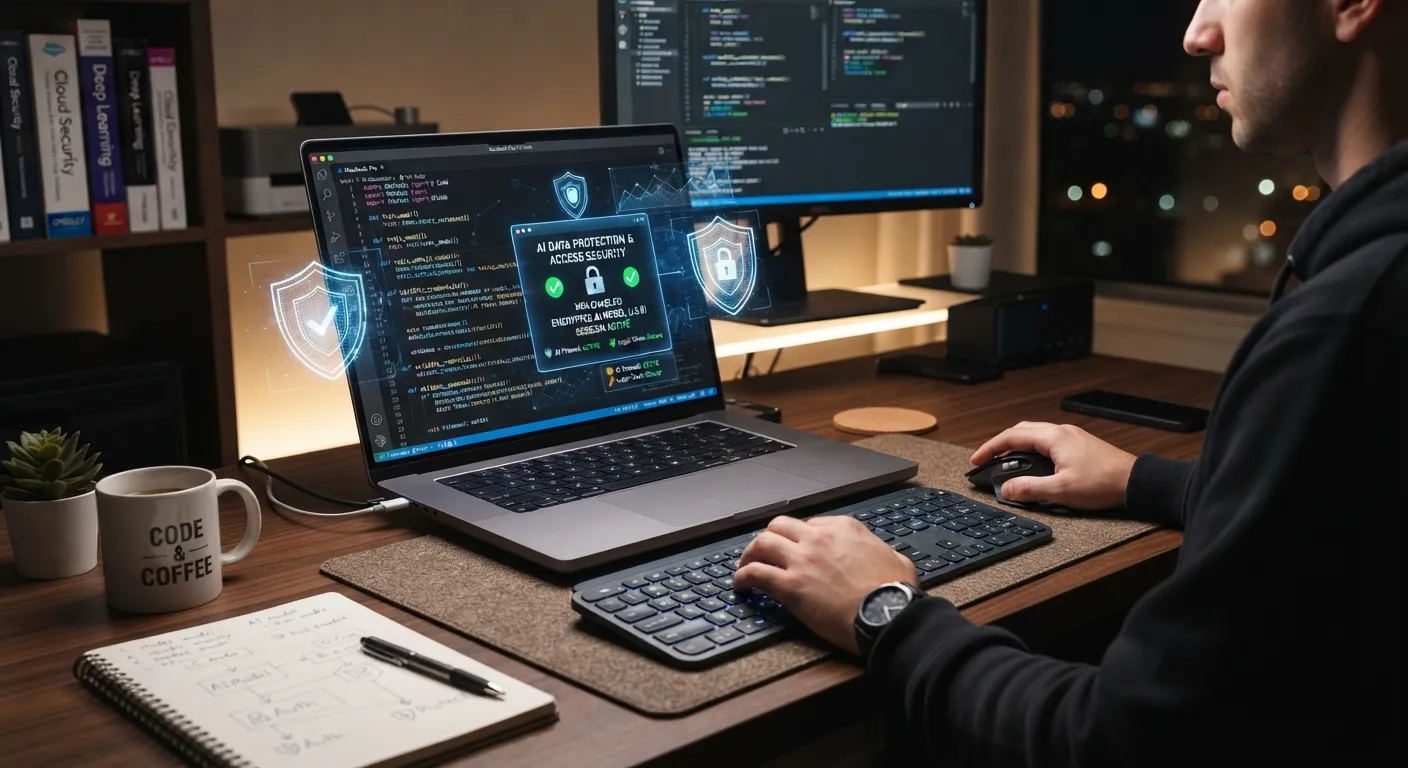
As the industry moves toward more sophisticated generative AI integrations, the line between helpful assistance and invasive surveillance continues to blur. Other startups have experimented with dedicated AI pendants that track daily activities, but Apple’s strategy is far more integrated. By embedding these features into a device millions of people already wear, the company is normalizing the idea that our hardware should act as a constant, passive observer. The reliance on end-to-end encryption and the absence of cloud-stored raw audio are designed to mitigate these concerns, yet the cultural impact of being ‘constantly indexed’ remains a point of contention for privacy advocates.
Can users effectively manage these active listening tools?
Apple has attempted to mitigate potential backlash by implementing user-centric controls. Unlike some competitors that favor an ‘always-on’ approach, these features are explicitly opt-in. Users can define exactly when and where these tools are active, such as restricting functionality to work hours via the Control Center. This granular control allows users to maintain a barrier between their private lives and their productivity workflows. Despite these safeguards, the legal and ethical landscape for intelligent transcription remains underdeveloped. Because no raw audio is saved, the status of these text-only summaries in legal or professional disputes is currently unclear.
What does this mean for the future of enterprise technology?
For enterprise users, the potential for automated meeting minutes is immense. However, the adoption of such tools in corporate environments will require clear policies regarding consent. As firms integrate more machine learning into daily operations, the ease with which a watch can summarize a high-level discussion will become a major selling point. Organizations must now decide whether to embrace this efficiency or restrict it to protect intellectual property and private discourse. Apple has provided the tools, but the social contract governing their use will be defined by the end-user over the coming months.