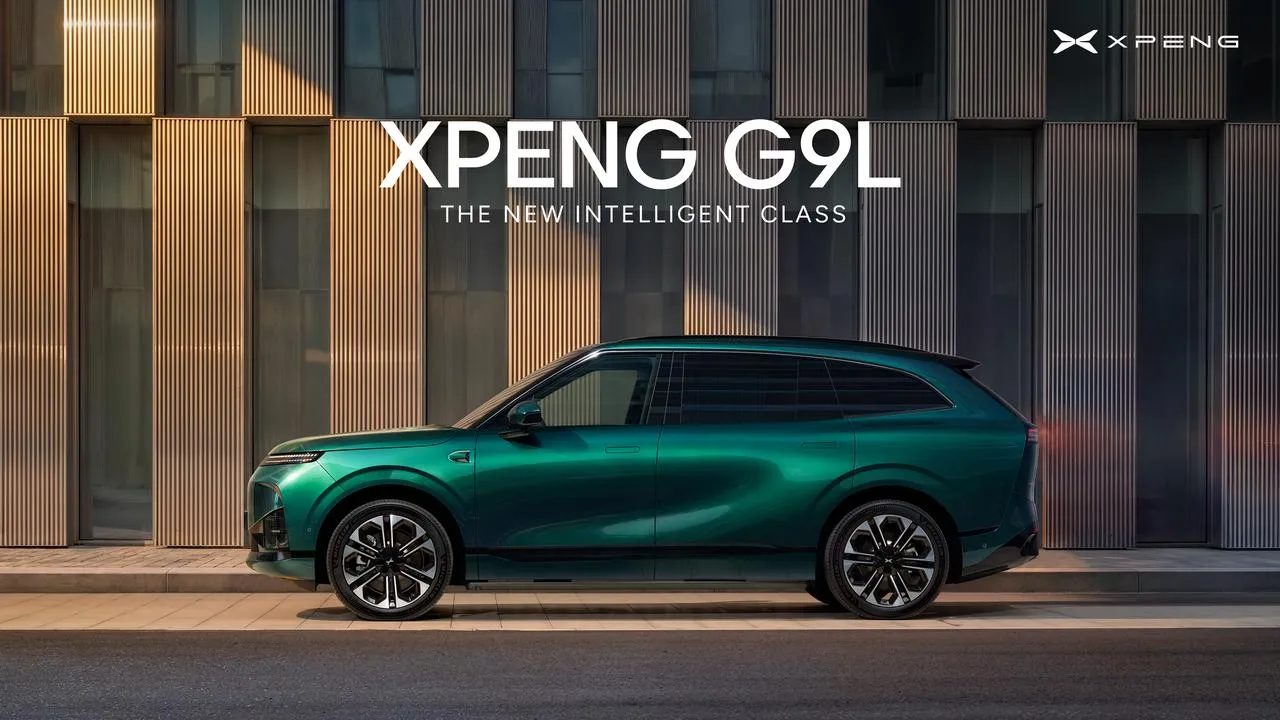
The 2026 Paris Motor Show is poised to become a showcase for Physical AI, a transformative technology that integrates artificial intelligence into tangible hardware to automate complex real-world tasks. Physical AI refers to the fusion of machine learning, sensory input, and robotics to create systems that interact intelligently with the physical environment, such as autonomous vehicles and humanoid robots. As confirmed in official reports from XPENG, the company intends to lead this transition by unveiling its next-generation flagship SUV, the G9L, alongside a broader ecosystem of robotic and intelligent mobility solutions. By shifting the focus from software-only models to hardware-integrated intelligence, the industry is signaling a major pivot in how we conceive of personal transportation and automated utility.
What is the significance of the G9L for the European market?
The G9L represents a strategic expansion of the company’s premium portfolio, designed specifically to meet the high standards of European automotive consumers while showcasing advanced AI-driven features. This flagship SUV integrates sophisticated driver-assistance systems with a luxury user experience, moving beyond mere transportation to function as a highly intelligent assistant.
This vehicle rollout is a centerpiece of the brand’s commitment to localized production and development. By launching the G9L in Paris, the company is not just introducing another model but reinforcing its presence in a competitive market that prioritizes safety, environmental standards, and intelligent connectivity. European consumers can expect a vehicle that benefits from years of rigorous R&D, focusing on how large language models and foundation models can refine the driving experience. The G9L acts as the primary hardware interface for the company’s evolving software architecture, effectively blending performance with computational power to meet the rigorous demands of EU vehicle safety standards.
How does the Car-as-a-Robot concept function?
XPENG’s Car-as-a-Robot philosophy treats the automobile as a node within a larger, interconnected ecosystem of autonomous systems rather than an isolated, static piece of machinery. This approach leverages shared underlying hardware platforms to power everything from street-legal vehicles to general-purpose humanoid robots and aerial transport platforms.
By utilizing a unified technology stack, the company ensures that breakthroughs in navigation, object detection, and path planning can be deployed across different physical formats. For instance, the algorithms developed for autonomous driving are increasingly refined to support the mobility requirements of humanoid robots. This creates a feedback loop where data collected on the road improves the dexterity of machines in the factory, and vice versa. This convergence of technologies is at the heart of the modern autonomous mobility sector, which seeks to reduce human error while increasing the efficiency of everyday logistics and personal travel in urban environments.
Which AI advancements will be showcased in Paris?
Beyond the vehicle lineup, the Paris exhibition serves as a venue for showcasing the company’s broader technological capabilities in the fields of robotics and embodied AI. Attendees will gain exposure to a comprehensive ecosystem that bridges the gap between digital simulation and physical implementation.
Key components of this demonstration include:
- Foundation models optimized for real-time environmental processing.
- Advanced humanoid robotics for specialized industrial and commercial tasks.
- Intelligent flight control systems for future urban air mobility solutions.
- Scalable manufacturing processes for high-precision robotic hardware.
By integrating these disparate technologies, the company aims to demonstrate how foundation models can be used to control complex physical behaviors across varied terrains. The exhibition will feature a dedicated space in Hall 6, spanning over 1,000 square meters, designed to offer an immersive look at how these technologies interact within a real-world, dynamic environment.
Why is an Autonomous Lab featured at the show?
The Paris Motor Show’s official Autonomous Lab provides a rare, controlled environment for the public to experience next-generation driving technologies firsthand under real-world conditions. This initiative marks a crucial milestone for the industry as it seeks to build public trust in autonomous driving systems by offering transparency and direct engagement.
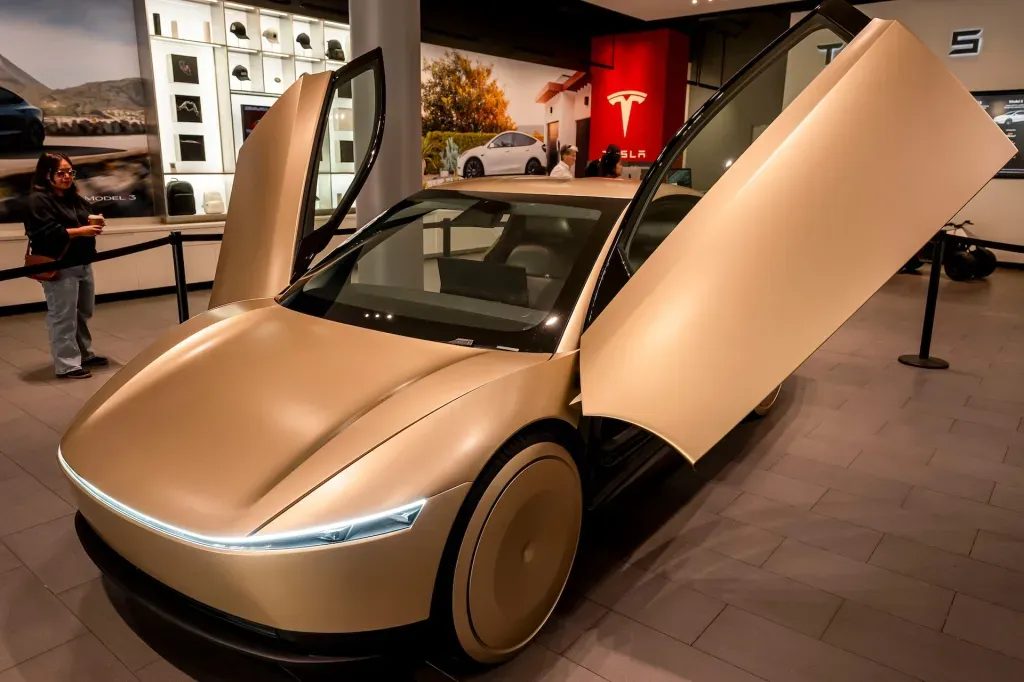
Both XPENG and Tesla have been selected to participate, marking a significant development for the European audience to test advanced Navigation Guided Pilot capabilities. This is not merely a demo; it is an opportunity for regulators and consumers to assess how these systems handle local European traffic, road markings, and complex urban junctions. The focus is on demonstrating the generalization capabilities of foundation models—the ability for an AI to handle environments it was not explicitly trained for, which is essential for global adoption.
How are European R&D efforts influencing vehicle production?
To ensure vehicles meet the unique needs of European drivers, the brand has significantly bolstered its regional R&D presence, most notably through its research center in Munich. This "In Europe, For Europe" strategy prioritizes the local adaptation of intelligent driving software to suit the specific infrastructure and legislative frameworks of the continent.
Localization goes beyond software; it involves tailoring user interfaces, chassis tuning, and supply chain logistics to align with European consumer expectations. This localized approach is critical for the success of vehicles like the L03 and the G9L, as it ensures that the intelligent driving capabilities function reliably in diverse weather conditions and traffic scenarios. By producing vehicles closer to the end-user, the company is also reducing its carbon footprint and supply chain lead times, demonstrating a long-term commitment to the European market as a primary hub for both innovation and manufacturing.
What does the funding surge mean for the robotics sector?
The recent capital infusion into the company’s robotics division—totaling nearly one billion dollars—signals a massive shift toward the industrialization of general-purpose robots. This funding is dedicated to accelerating the mass production of the IRON humanoid robot, a machine designed to perform complex physical tasks in both domestic and professional settings.
This investment highlights the broader trend of venture capital and corporate backing moving away from theoretical AI toward tangible, hardware-centric applications. The goal is to move beyond the "prototype phase" and into scalable, commercially viable manufacturing. By successfully transitioning these robots into production, the industry is entering an era where AI is not just processed in data centers but is actively interacting with the world. This capital flow is indicative of a market that increasingly views Physical AI as the next frontier for global tech giants and mobility providers alike.
Conclusion
The developments displayed at the 2026 Paris Motor Show represent a critical juncture for the integration of intelligent technology into our physical lives. Through the launch of the G9L and the advancement of its broader robotic ecosystem, the industry is proving that the future of mobility is not just about electric power, but about the cognitive capability of our machines to navigate the world autonomously.
Source: XPENG